-

Last week, I provided an update for how my models were performing against human behaviour. Within that post, I included a decision-making table that automatically tells me which model I should be favouring during certain periods: What I wanted to showcase was how I went creating this process, but also to do one of those…
-
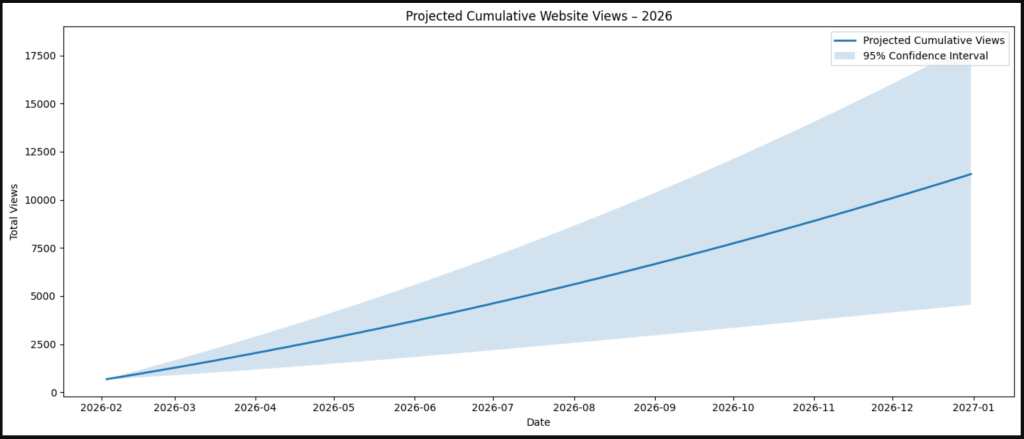
Last week, I shared two different datasets on the views my website observed for this past week and future weeks: The total views that I had over this past week (02/02/2026 – 08/02/2026) was: 225 Updated Numbers Turns out that neither the model nor my gut was accurate. Over the past 2 weeks, I’ve experienced…
-

My Predictions Below are my 2026 website statistics model’s* predictions for the: *I replaced an anomaly of 174 views on 27th January using the average method of the previous data point for the year; 15 views. The projected ‘Full Year’ forecast was 10,728; supposedly unlikely. Below are my gut instinct 2026 website statistics predictions for…
-
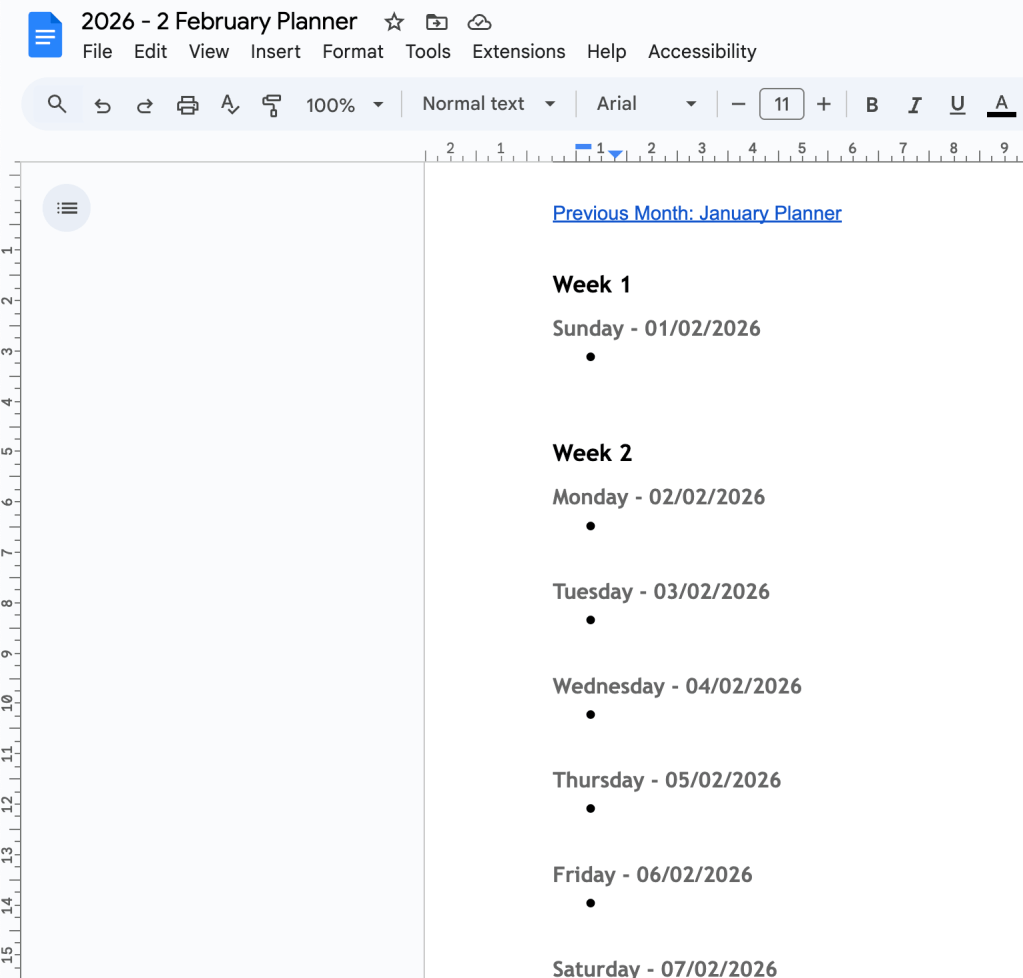
Back in 2024, I made a post about creating a year’s worth of monthly planners using a mixture of Google’s Sheets, Apps Script, and Docs. In brief, I was sick of spending about an hour or two manually making these planners so I made it a (near) automated process. What I’ve created in this post…
-
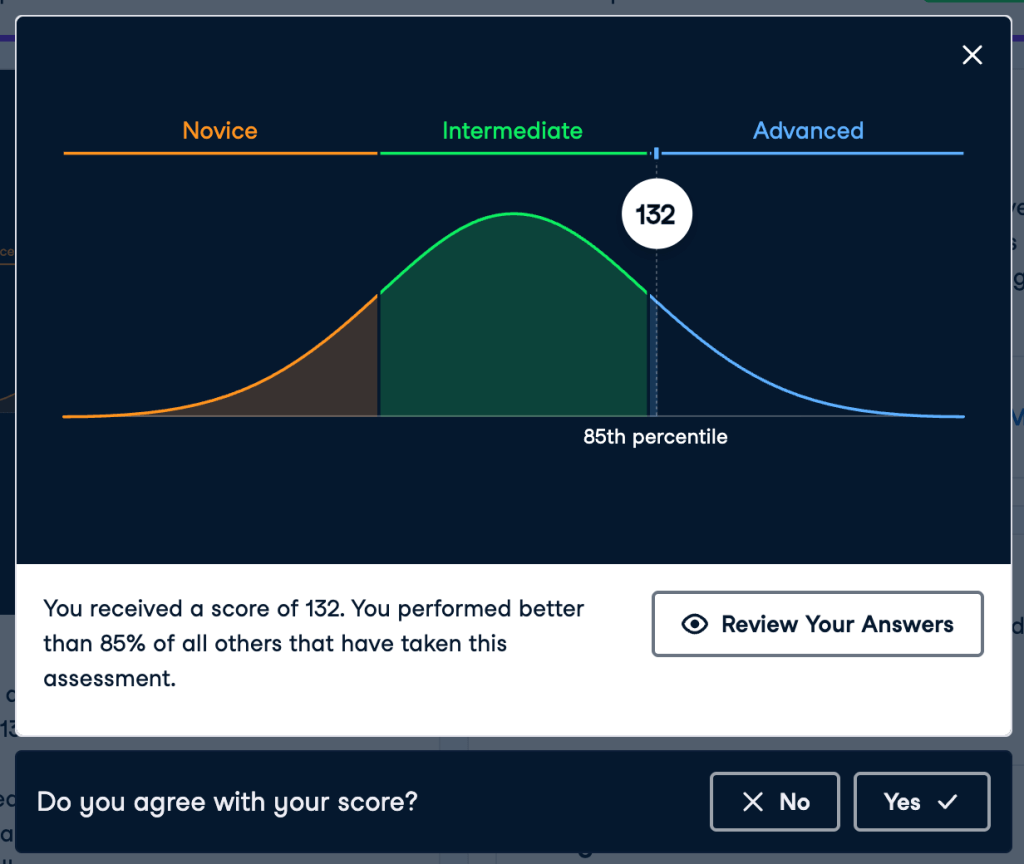
Simple question up front: What does Imposter Syndrome feel and look like to you? I had a(nother) recent experience with that psychological pattern of doubting my skills and accomplishments. That feeling of being a fraud and the fear of being exposed for the incompetent fool that my brain tells me I am. The irony is,…
-

Whilst we were at our supermarket’s check out, my wife was telling me about a cast member of The Real Housewives of Beverly Hills, Dana Wilkey, who had a $1M lollipop holder. Essentially, a lollipop holder encrusted with diamonds. Source: https://bigblondehair.com/real-housewives/rhobh/the-million-dollar-lollipop-holder-seen-on-dana-wilkey-kim-k/attachment/milliondollarlolipopholder-2/ I couldn’t resist and invited the check-out person into the conversation by asking them…
-
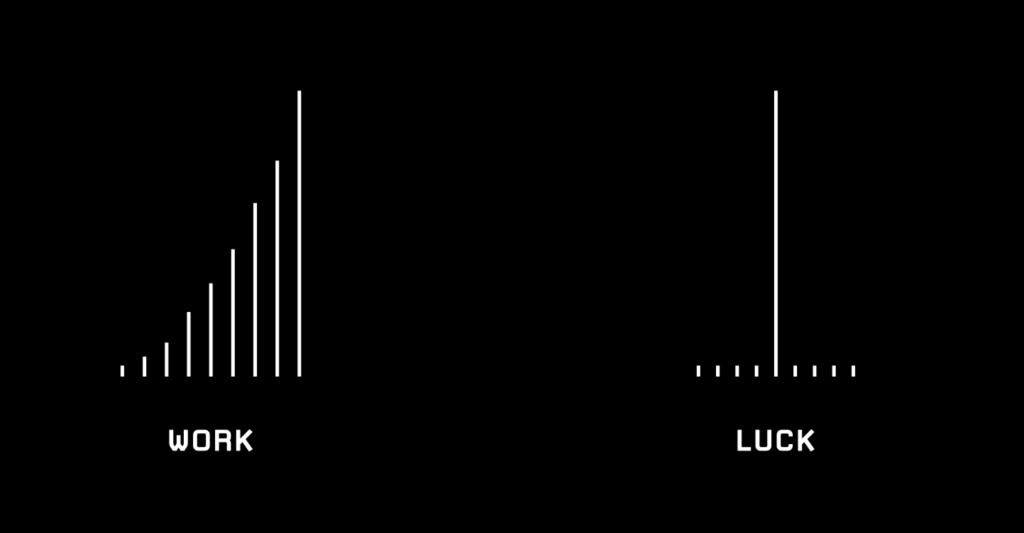
Last week, I briefly reflected on the year that had passed and during this reflection, I started to consider the impact that compounding effort was having in other aspects of my life. I said in this 2024 post that I still live by words my mother gave me when I was 8 or so: “there’s…
-
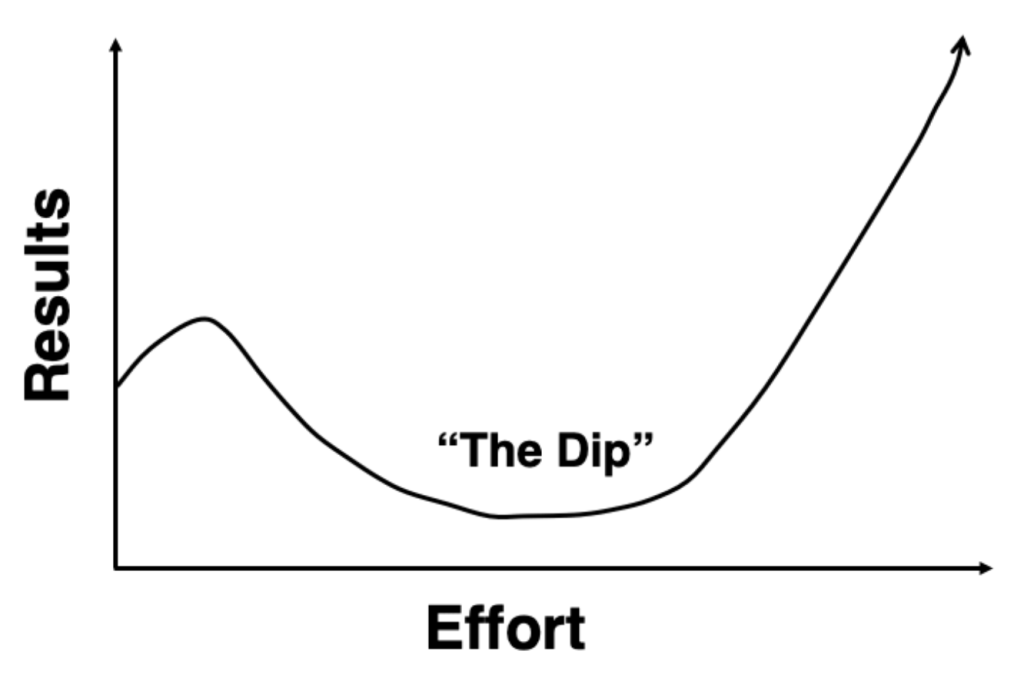
It’s been a while since my last post and it will be a while until I get back into the habitual groove. I thought that I’d take the time to reflect on the past year and here’s how I can summarise it in a sentence: This was the year where compounding my effort started paying…
-

The time has come for me to make the decision of taking a brief break from writing blogs. As much as I enjoy writing about topics that I love, I’ve made the decision to take a break so that I can remain focused on the balance of life that I currently have: 2x jobs, a…
-
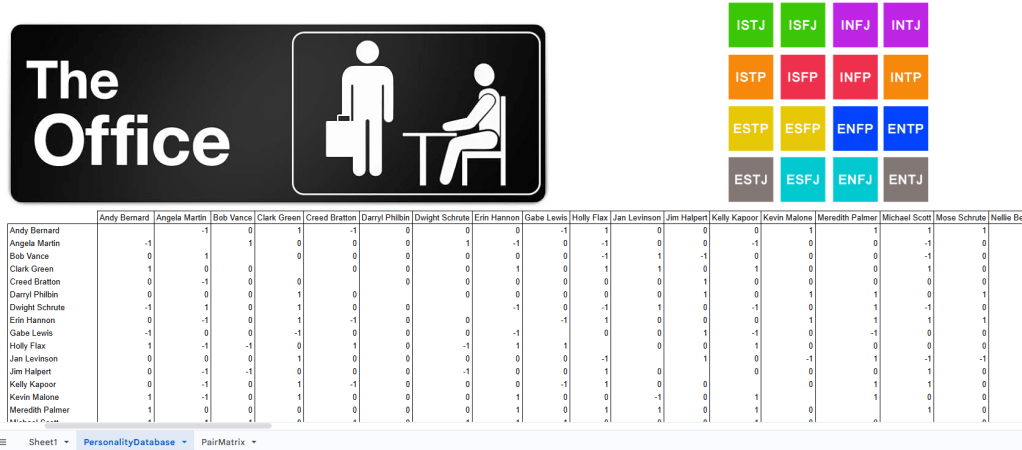
In a previous post, I mentioned that I was responsible for tracking updates in timetables. This is somewhat of an extension of that post. I was thinking about what could happen to these groups of people after the grouping has been completed. What happens when you actually need to group people together. How do you…

James Miller CV
Data Analyst | Process Improvement | Skilled in Statistical Analysis, Data Visualisation, and Instructional Delivery | Excel, Google Sheets, SQL, Python, Power BI
Blog

 James Miller CV
Leave a comment